
Why do dogs roll in the grass? The surprising reasons behind this behaviour
Why do dogs love rolling in grass? Discover the instincts, scents and health clues behind this common behaviour.
Read more19 August 2026
Jump to any chapter:
Vaccinations are one of the most important things you can do for your new puppy’s health, and one of the easiest, once you know what to expect.
If you’ve just brought your pup home, the vaccination schedule might feel a bit confusing at first. Multiple visits, different jabs at different ages, and a lot of new terms being thrown around at the vet. Don’t worry, by the end of this guide, you’ll know exactly what your puppy needs, when they need it, and why.
On this page:
When puppies are born, they receive some immunity from their mother through her milk. But this protection fades quickly, usually by 6 to 16 weeks of age. Once that maternal immunity drops, your puppy becomes vulnerable to a range of serious, and sometimes fatal, diseases.
Vaccinations work by training your puppy’s immune system to recognise and fight specific diseases, without them having to actually get sick. It’s one of the simplest and most effective ways to protect your pup’s health long-term.
In Australia, puppy vaccines are divided into two categories:
These are recommended for every puppy in Australia, regardless of lifestyle or location. They protect against the most serious and widespread diseases:
These three are often combined into what vets call the C3 vaccine.
These are recommended based on your puppy’s lifestyle, environment, and risk level. Your vet will advise whether your puppy needs any of these:
The C5 vaccine covers the C3 core vaccines plus Bordetella and Parainfluenza, making it the most commonly recommended option for sociable dogs in Australia.
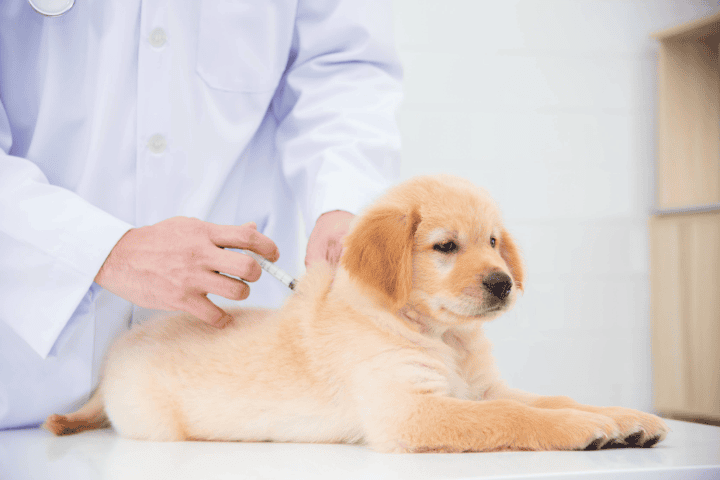
Here’s a general guide to when your puppy will need their vaccines. Note that timing can vary slightly depending on your vet and your puppy’s individual circumstances, always follow your vet’s specific advice.
| Age | Vaccine | Notes |
|---|---|---|
| 6–8 weeks | C3 (first dose) | Usually given by breeder. Confirm with paperwork. |
| 10–12 weeks | C5 (second dose) | First vet visit if not already done. |
| 14–16 weeks | C5 (third dose) | Critical — finalises puppy immunity. |
| 12–16 months | C5 booster | Annual or triennial depending on vaccine type. |
| Every 1–3 years | Ongoing boosters | Your vet will advise on the right schedule. |
Important: if your puppy came from a breeder, they may have already had their first C3 at 6–8 weeks. Always ask for documentation and share this with your vet at your first appointment.
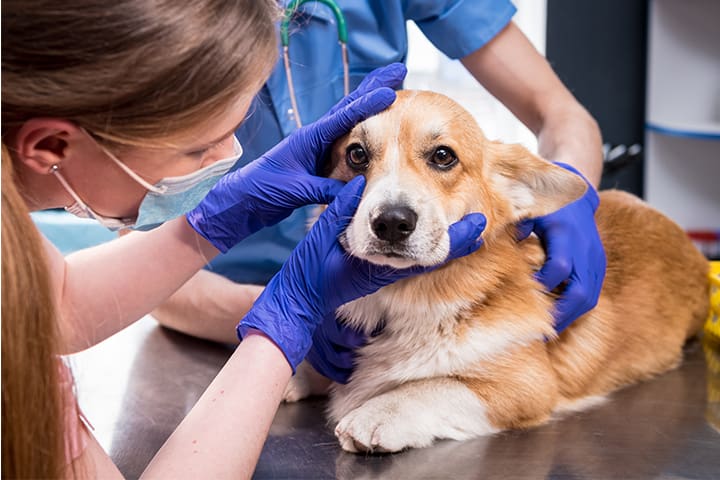
Vet appointments for vaccinations are usually quick and straightforward, and a great opportunity to ask any questions you have about your puppy’s health.
Your vet will typically:
The injection itself is very quick, and most puppies handle it well. You might notice a little tenderness at the injection site or your puppy seeming a bit sleepy afterwards, this is normal and usually passes within 24 hours.
Mild side effects are common and nothing to worry about:
However, call your vet straight away if you notice any of the following:
Serious allergic reactions are rare but can happen, which is why it’s always best to keep an eye on your puppy for a couple of hours after their jab.
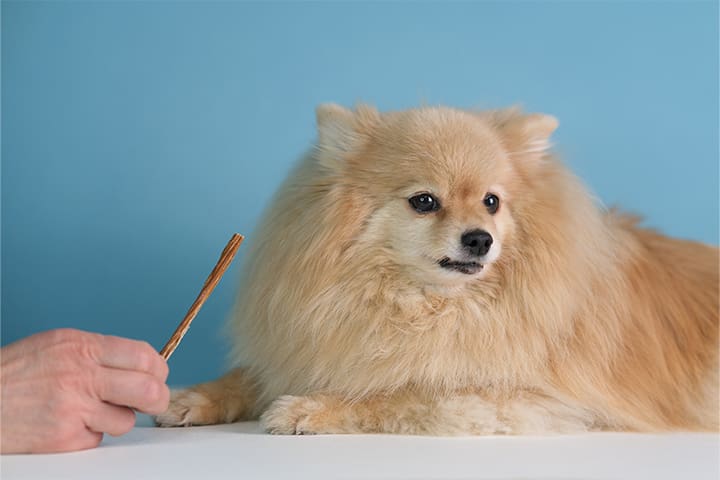
This is one of the most common questions new puppy owners ask, and the honest answer is: it depends.
Until your puppy’s vaccination course is complete (usually around 16 weeks), their immunity isn’t fully established. During this time, it’s best to avoid areas where unvaccinated dogs may have been, such as dog parks, pet shops, and beaches.
That said, socialisation during this period is really important for your puppy’s development. The good news is there are still safe ways to do it:
Talk to your vet about what’s safe for your specific puppy’s situation, they’ll give you the best guidance based on local disease risk in your area.
Vaccination costs vary depending on your location, your vet, and the type of vaccine. As a general guide:
These costs can add up alongside other new puppy expenses, which is one of the reasons pet insurance is worth considering early.
Now that your puppy is on track with their vaccinations, it’s time to start thinking about training. Week 3 of our series covers everything from housebreaking to basic commands, and why starting early makes all the difference.
Learn more about puppy insuranceJump to any chapter: