
Managing chronic disease in Australian dogs: Prevention, treatment and cost management
Learn how to manage chronic disease in dogs with early detection, treatment, prevention and smarter cost planning.
Read more19 August 2026
Jump to any chapter:
You’ve made it to Week 7! And if you’ve been following along with this series, you and your puppy have come a long way together. You’ve navigated the first night, the vaccines, the sleep deprivation, the chewed furniture, and everything in between. Now it’s time to talk about one of the most important, and honestly, one of the most fun, parts of raising a puppy: socialisation. Done well, socialisation shapes the kind of adult dog your puppy will become.
A well-socialised dog is confident, curious, and relaxed in the world around them. An under-socialised dog can grow up anxious, reactive, or fearful, not because anything is ‘wrong’ with them, but because the world simply wasn’t introduced to them gently and gradually when it mattered most.
On this page:
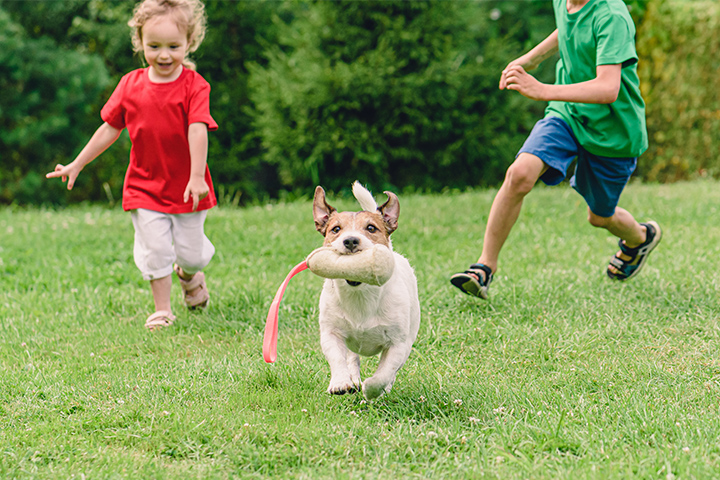
Puppies go through a critical developmental period called the socialisation window, which runs from approximately 3 to 16 weeks of age. During this time, your puppy’s brain is primed to absorb new experiences. Things encountered during this window are much more likely to be accepted as ‘normal’ and ‘safe’, things missed during this window may need significantly more work to introduce later.
This doesn’t mean that after 16 weeks, socialisation stops. It absolutely continues throughout your puppy’s life. But the early weeks offer a unique opportunity to build a really solid foundation.
Note: Because the socialisation window overlaps with the vaccination period, you’ll need to be thoughtful about where you take your puppy. Avoid public areas where unvaccinated dogs may have been, but do prioritise puppy classes, visits to vaccinated dogs, and carrying your puppy to new environments so they can see and hear the world safely.
Socialisation isn’t just about meeting other dogs. It’s about introducing your puppy to the full variety of things they’ll encounter throughout their life such as people, animals, sounds, surfaces, environments, and situations, in a way that’s positive, gradual, and appropriate for their age and vaccination status.
The goal is for your puppy to learn that new things are interesting and safe, not scary.
Use this checklist as a guide, not a to-do list you need to race through. Work through it gradually and at a pace that suits your puppy. Tick things off as you go, and celebrate every one.
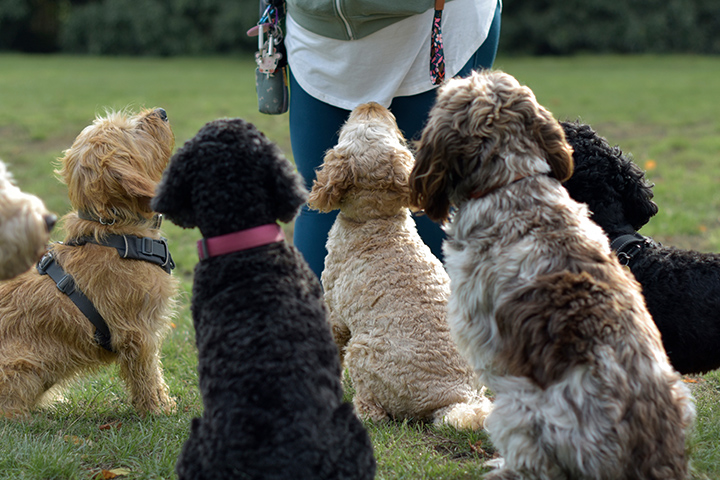
Some puppies take new things in their stride. Others need a bit more time. Both are completely normal.
If your puppy seems nervous around something new:
If your puppy shows persistent fearfulness or anxiety around certain things despite patient, positive exposure, it’s worth mentioning to your vet or a qualified behaviourist. Sometimes early intervention makes a big difference.
Alongside socialisation, lead training is another essential skill to build early. A puppy who walks happily on a lead makes your whole life easier.
How to introduce the lead:
That’s the end of our seven-week series, and what a journey it’s been. From that very first night to vaccinations, training, sleepless nights, chewed belongings, nutrition battles, and now a growing, curious puppy who’s starting to find their place in the world.
The puppy phase is intense, but it doesn’t last forever. And the work you put in during these early weeks, the consistency, the patience, the love, shapes the dog your puppy will become for the rest of their life.
Keep going. You’re doing an amazing job.
Our puppy series doesn’t have to end here. Head back to the series hub to revisit any chapter, or share the series with another new puppy parent who could use the support.
Learn more about puppy insuranceJump to any chapter: