
How Petcover Dog Insurance helped “Max” recover from a serious injury
See how Petcover helped Max recover from a serious injury and eased unexpected vet costs.
Read more19 August 2026
Jump to any chapter:
So you’ve done it. You’ve brought home a puppy.
Maybe you’ve been planning this for months, or maybe it all happened a little faster than expected. Either way, you’re now the proud parent of a fluffy, excitable, occasionally chaotic new family member, and it’s completely normal to feel equal parts thrilled and a little overwhelmed.
The good news? Every single puppy owner has been exactly where you are right now. And with a bit of guidance, the first few weeks can be less stressful and a whole lot more enjoyable.
This guide covers everything you need to know in the early days, from setting up your home and booking that first vet visit, to feeding schedules, sleep routines, and the basics of bonding with your pup.
On this page:
Puppies are curious. They will chew, sniff, and squeeze into absolutely everything. Before your pup has free run of the house, take a quick walk through each room with fresh eyes.
It also helps to set up a dedicated puppy zone. A small, safe space where your pup can sleep, eat, and settle in without being overwhelmed by the whole house at once. A crate, a playpen, or even a gated corner of the kitchen works perfectly.
The first night is often the toughest for your puppy and for you.
Your pup has just left their mum and littermates for the first time. Everything smells different, sounds different, and feels different. A little whining or crying at bedtime is completely normal, and it doesn’t mean you’re doing anything wrong.
Tips to help your puppy settle:
For more on sleep routines and getting through those early nights, head to week 4 of our series: Puppy sleep troubles.
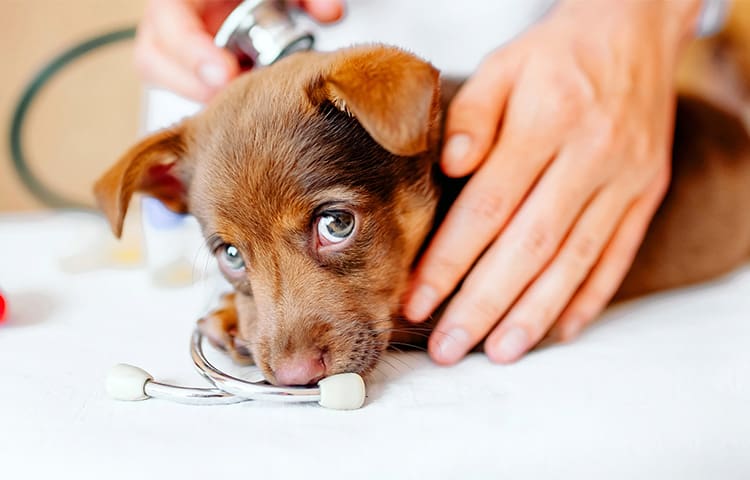
One of the most important things you can do in the first week is book a visit with your vet. Ideally within the first two to three days of bringing your puppy home.
This first check-up isn’t just about vaccinations (though those matter too, more on that in week 2). It’s a chance to:
If your puppy has already had their first vaccination from the breeder, bring that record with you. Your vet will use it to plan the rest of the vaccination schedule.
Tip: Consider taking out pet insurance before your first vet visit so you’re covered from the very start. If you’re considering pet insurance, Petcover policies can be set up quickly before your puppy’s first vet visit.
Your puppy’s breeder or rescue centre should let you know what food they’ve been eating. Stick to that for the first week. Sudden changes in diet can cause an upset stomach on top of an already stressful transition.
After the first week, if you want to switch foods, do it gradually over 7–10 days by mixing small amounts of the new food with the old.
How often should a puppy eat? Generally, puppies under 12 weeks need four small meals a day. From 12 weeks to 6 months, three meals a day. From 6 months onwards, two meals a day. Your vet can give you specific guidance based on your puppy’s breed and size.
Have fresh water always available, always clean. Puppies drink more than you’d expect.
Puppies sleep a lot. Up to 18–20 hours a day in the early weeks. This isn’t laziness; it’s essential for healthy brain and body development. Don’t be alarmed if your pup seems to do nothing but eat, sleep, and have short bursts of wild energy.
A consistent sleep spot (crate, bed, or designated area) helps your puppy feel safe and builds good habits early.
Young puppies can’t regulate their body temperature well, especially in the first few weeks. Make sure their sleeping area is warm and draught-free, particularly in Australian winters or in air-conditioned homes.
Expect to be taking your puppy outside a lot. A good rule of thumb: puppies need a toilet break after every meal, after every nap, after play, and roughly every 1–2 hours otherwise. We’ll cover toilet training in much more detail in week 6.
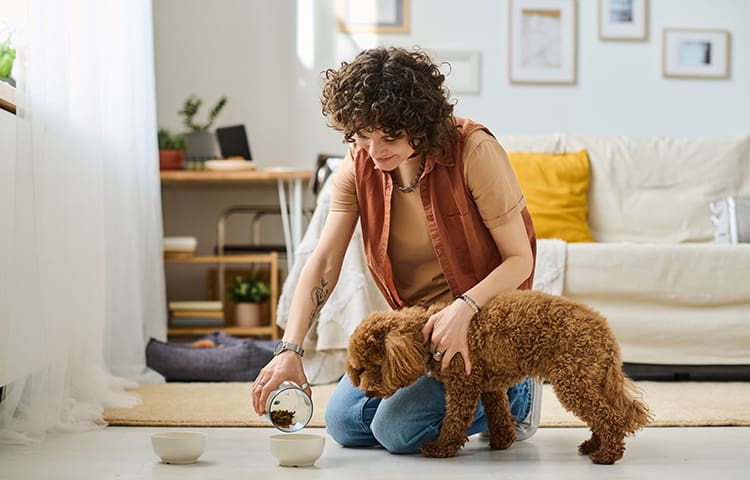
The early weeks are a critical window for building trust between you and your puppy. You don’t need to do anything fancy. It’s the small, consistent moments that matter most.
The relationship you build now sets the foundation for everything such as training, socialisation, and a happy, confident adult dog.
Nobody talks about this enough. Bringing home a puppy can be genuinely hard, even when it’s also wonderful.
Sleep deprivation, worry about doing everything right, and the sheer relentlessness of caring for a small animal can catch new puppy owners off guard. This is sometimes called the ‘puppy blues’ and it’s real, and it’s normal.
Give yourself grace. You’re learning too. It gets easier, and it gets better.
Once you’ve got those first few days under your belt, it’s time to think about vaccinations, one of the most important things you can do for your puppy’s health. Head to week 2 of our series to learn everything you need to know about the Australian puppy vaccination schedule.
Learn more about puppy insuranceJump to any chapter: