
How Petcover Exotic Pet Insurance supported “Cleo” the bearded dragon
Learn how Petcover helped Cleo the bearded dragon recover from metabolic bone disease.
Read more14 August 2026
Bringing a parrot, python, or rabbit into your home is a massive commitment. Australia boasts one of the most diverse exotic pet communities in the world. A growing number of Australians are choosing non-traditional companions over the usual cats and dogs.
The emotional bond you share with a rabbit or a cockatoo is just as strong as the bond with a puppy. However, the medical needs and risks associated with these unique animals are often less understood.
This brings up a vital question for many owners: is insurance actually worth it for these unique companions? Let us break down the realities of exotic pet ownership down under so you can make an informed decision for your scaly, feathered, or furry friend.
When we talk about exotic pets in the Australian context, we are generally referring to domesticated animals that are not dogs or cats. While the term “exotic” might make you think of lions or monkeys, the reality is much closer to home.
In the veterinary and insurance world, exotic pets usually fall into three main categories.
From cheeky budgies and cockatiels to majestic macaws and cockatoos, birds are incredibly popular in Australia. These highly intelligent creatures can live for decades, requiring specialised care throughout their long lives.
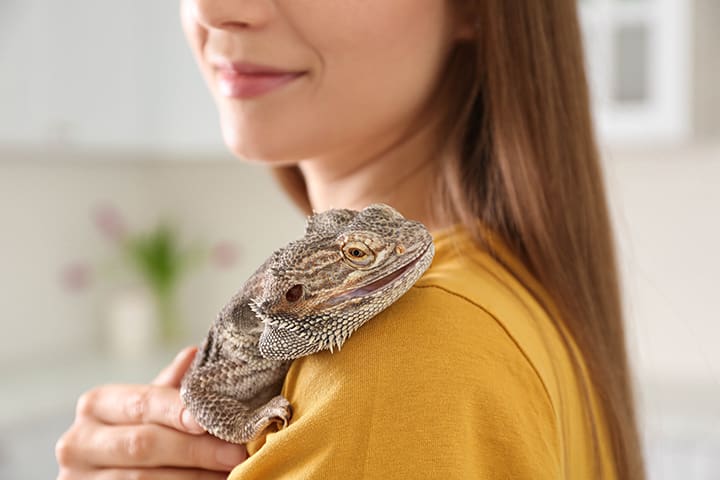
Australia is famous for its reptiles, and many make fantastic pets. This category includes non-venomous snakes like pythons, various species of lizards such as bearded dragons, and freshwater turtles.
This group covers the furry companions that are not quite as common as felines or canines. Rabbits, guinea pigs, mice, and ferrets all fall under this umbrella. Each of these small mammals has highly specific dietary and environmental requirements.
Many new owners severely underestimate the medical costs associated with exotic pets. Because these animals are often inexpensive to purchase, people assume their vet care will also be cheap. The reality is quite the opposite.
Treating an exotic pet requires highly specialised knowledge. General practice vets often refer these animals to specialists, which naturally increases the cost of care. Clinics like The Unusual Pet Vets have dedicated teams for these species, but specialist expertise comes with specialist price tags.
Consider some typical veterinary costs you might face in Australia:
Emergency care for a rabbit that has stopped eating or a snake with a respiratory infection cannot wait. These sudden expenses can take a heavy toll on your finances.
You might assume that a turtle sitting in a tank or a bird in an aviary is perfectly safe. However, exotic pets carry unique risks that make them incredibly vulnerable to sudden health crises.
Many exotic pets, particularly birds and small mammals, are prey species in the wild. Their natural instinct is to hide any sign of illness or weakness to avoid attracting predators. By the time your rabbit looks lethargic or your parrot sits fluffed up at the bottom of its cage, they are usually critically ill.
Furthermore, exotic pets require highly specific environments to thrive. A slight drop in temperature can cause severe respiratory issues in a reptile. An incorrect diet can lead to fatal dental disease or gut issues in a guinea pig. These precise husbandry requirements mean that even the most dedicated owners can occasionally face medical emergencies.
Just like standard pet insurance, exotic cover is designed to protect you from unexpected, large veterinary bills. However, policies are tailored to the specific needs of non-traditional pets.
While cover varies significantly between different providers, a comprehensive policy typically includes:
In some cases, policies also offer cover for the cost of advertising and a reward if your pet is lost or stolen. Some even include third-party liability if your pet causes property damage or injures someone else. Learn more about what pet insurance covers.
A common mindset among Australian pet owners is the “self-insurance” route. Many believe it is easier and cheaper to simply put a little money aside each month into a dedicated savings account.
Saving is a sensible financial habit, but it requires strict discipline and time. If you bring home a new baby parrot and it needs emergency surgery three months later, your savings account will not have enough funds to cover a $3,000 vet bill.
Emergency treatments can exceed typical savings incredibly quickly. When you look at the real-world framing, a gradual monthly premium is often much easier to manage than a sudden $5,000 invoice.
There is also an emotional reality to consider. Making medical decisions for a beloved pet while under severe financial pressure is incredibly stressful. Having an insurance policy in place means your decisions can be guided by what is best for your pet’s health, rather than what is left in your bank account.
Read our blog, Pet insurance or saving: what’s the better choice? if you’re still undecided.

So, when is taking out a policy the right move for you and your pet? Insurance makes a lot of sense if you fall into any of the following categories:
Compared to the sheer volume of dog and cat clinics, there are relatively few exotic specialists across the country.
Because general practice vets often lack the specific equipment or expertise to treat a sick reptile or bird, there is a much higher reliance on referral clinics. These specialist centres offer incredible care, but they naturally command higher fees. Furthermore, vet costs across Australia are steadily increasing due to inflation, advanced medical technology, and staffing shortages.
Growing awareness of exotic pet welfare means we now expect our birds, reptiles, and small mammals to live longer, healthier lives. Achieving this longevity often requires high-quality veterinary intervention at some point.
When you want to protect your scaly, feathered, or small furry family members, it pays to go with the experts. Get pet insurance for your exotic pet today and enjoy peace of mind with Petcover, Australia’s only dedicated exotic pet insurer.
Learn more about exotic pet insurance